
Business
Pa. man’s bail set at $2M after his 7th DUI arrest: police
By Eliot Chen
Advertisement · Why this ad?
A graduate of Penn State University, Eliot has spent the last decade covering economic development and corporate landscapes across Central Pennsylvania. He previously reported for the Lancaster New Era, where he focused on small businesses adapting to changing markets.
More from Eliot →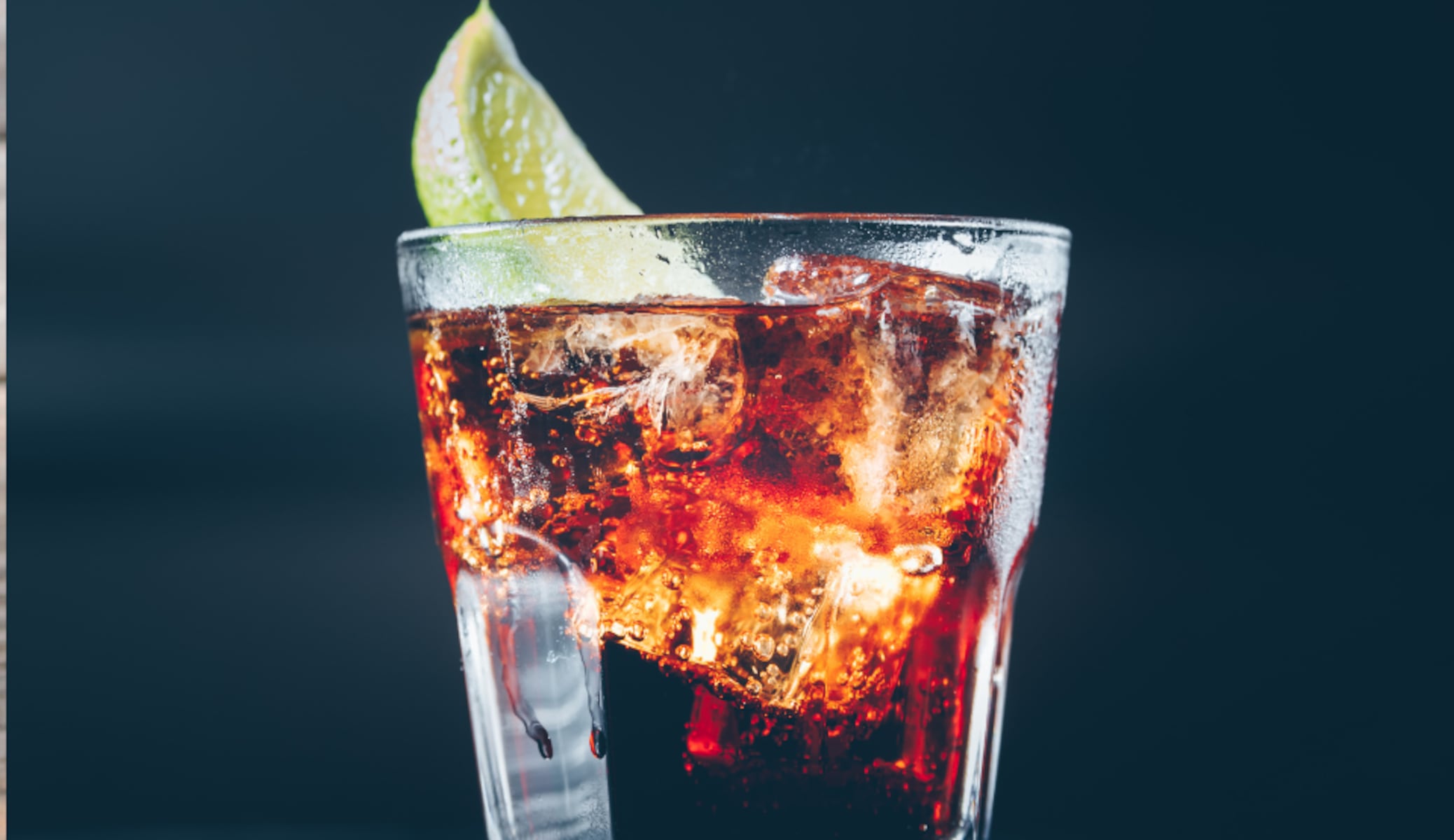
In a world where social media trends can shape public perception overnight, a curious phrase has emerged: "fridge cigarette." This term, often used to describe Diet Coke, has gained traction online, igniting discussions about the beverage's role in modern culture. Recently, Coca-Cola's CEO, Henrique Braun, addressed this peculiar moniker during an interview with Yahoo Finance, shedding light on the company's stance regarding the drink.
The phrase "fridge cigarette" has become a viral sensation, encapsulating the idea that Diet Coke serves as a guilty pleasure for many, akin to the way one might reach for a cigarette for a quick fix. While the term may resonate with some consumers, Braun emphasized that Coca-Cola does not endorse or market Diet Coke in this manner. In his interview, he stated, "We do not promote Diet Coke as a 'fridge cigarette.' Our approach is focused on health and wellness, and we want to ensure our messaging aligns with that vision."
This statement reflects a broader trend in the beverage industry, where companies are increasingly aware of their public image and the implications of their marketing strategies. As consumers become more health-conscious, brands are adapting their messages to resonate with a demographic that values wellness over indulgence.
The reaction to Braun's comments has been mixed, with some consumers expressing gratitude for the company's commitment to health, while others feel that the playful nickname reflects a deeper cultural phenomenon. Local Lancaster resident, Sarah Jenkins, shared her thoughts: "I think the term 'fridge cigarette' captures how some of us feel about our habits. It’s a little tongue-in-cheek, but it speaks to the comfort we find in our routines. Diet Coke is my little indulgence, just like a cigarette might be for someone else."
Jenkins is not alone in her sentiments. Many in Lancaster have found humor in the term, using it as a way to discuss their own indulgences in a society that increasingly emphasizes health and wellness. Local coffee shop owner, Mark Thompson, noted, "People come in here looking for a pick-me-up, and sometimes that’s a Diet Coke instead of a coffee. The term 'fridge cigarette' feels relatable, and it opens up conversations about our choices." This illustrates how the nickname has transcended mere social media banter to become a point of reflection on personal habits and societal norms.
In a region where community values emphasize family and health, the conversation around Diet Coke's branding touches on larger societal issues. The Lancaster community, known for its commitment to healthy living and family-centered values, has seen a shift in beverage choices over the years. Many residents are opting for alternatives that align with a more health-conscious lifestyle, reflecting a national trend toward wellness.
According to recent statistics from the CDC, the consumption of sugary beverages has declined by 20% since 2010, highlighting a growing awareness of the health risks associated with such drinks. As families prioritize nutrition, companies like Coca-Cola must navigate the delicate balance between tradition and modern health consciousness. This is particularly relevant in Lancaster, where community initiatives promote active lifestyles and healthy eating habits.
Local health educator, Dr. Emily Rivera, emphasized the importance of this shift, stating, "As a community, we are becoming more aware of what we consume. The term 'fridge cigarette' might seem light-hearted, but it reflects a deeper understanding of our choices and their impacts on our health. It’s a conversation starter for many families who are trying to make better decisions for themselves and their children."
Looking ahead, Coca-Cola's strategy seems focused on innovation and adaptation. Braun mentioned plans to diversify the company's product offerings, ensuring that they cater to a wider audience, particularly those seeking healthier options. "We are committed to providing a range of beverages that meet the evolving needs of our consumers," he said. This includes expanding their portfolio to include more sparkling water and low-calorie options, which have become increasingly popular.
As part of this initiative, Coca-Cola is also exploring the use of natural sweeteners and ingredients to appeal to health-conscious consumers. This move aligns with Lancaster's growing demand for transparency in food and beverage production, as many residents seek products that are not only tasty but also made from wholesome ingredients.
The company is also investing in sustainability initiatives, aiming to reduce its carbon footprint and enhance its packaging practices. As the Lancaster community continues to embrace environmentally friendly choices, Coca-Cola's efforts may resonate positively with local consumers who prioritize sustainability in their purchasing decisions. Local environmental advocate, Jenna Lee, commented, "It’s encouraging to see big companies like Coca-Cola taking steps towards sustainability. It aligns with what many of us in Lancaster are trying to achieve in our own lives, making more conscious choices for the planet."
The implications of Coca-Cola's evolving strategy extend beyond the corporate world; they directly impact local economies and communities. Lancaster, known for its agricultural roots and vibrant local businesses, could see shifts in consumer behavior as Coca-Cola adapts to changing preferences. Local retailers might need to adjust their inventory and marketing strategies to align with the brand's new direction.
Moreover, as families in Lancaster seek healthier lifestyle choices, local health organizations, such as the Lancaster County Health Department, may play a vital role in educating the community about the importance of making informed beverage choices. This collaboration can foster a culture of wellness that resonates throughout the region. Initiatives like health fairs and community workshops can provide platforms for discussions on nutrition and healthy living, further strengthening community ties.
In addition, local schools are beginning to incorporate more comprehensive health education programs, which include discussions on beverage choices. This is crucial in a time when children are increasingly exposed to marketing from beverage companies. School nutritionist, Karen Patel, noted, "We are working to empower kids with knowledge about what they drink. Understanding the implications of choices like Diet Coke versus water or natural juices is essential for their health and well-being."
For families navigating the complexities of modern consumption, resources are available to help make informed choices. The U.S. Department of Agriculture offers guidelines on balanced diets, while local organizations provide workshops and seminars focused on nutrition and healthy living. Engaging with these resources can empower families to make decisions that align with their values.
As Coca-Cola continues to refine its messaging and product offerings, the Lancaster community stands at a crossroads. The dialogue surrounding Diet Coke and its branding as a "fridge cigarette" may serve as a catalyst for broader discussions about health, wellness, and consumer responsibility. It invites consumers to reflect not only on their beverage choices but also on the implications of those choices within their families and the larger community.
In conclusion, as we reflect on the evolving landscape of beverage consumption, it's clear that the conversation surrounding Diet Coke is more than just a playful nickname. It encapsulates a cultural moment where health consciousness and traditional indulgences intersect. The future of Coca-Cola, particularly in the Lancaster area, will depend on its ability to resonate with consumers who value both health and tradition, while also fostering a community that prioritizes well-being and sustainability.
By Eliot Chen
By Eliot Chen

By Eliot Chen

By David Robinson