
Schools
Drexel University student charged with attempted murder in North Philadelphia shooting
By Kyle Harris
Advertisement · Why this ad?
Kyle holds a degree in Education from Kutztown University and has reported on local education issues for over 4 years. He previously worked for the Lebanon Daily News, focusing on the challenges facing local schools and initiatives.
More from Kyle →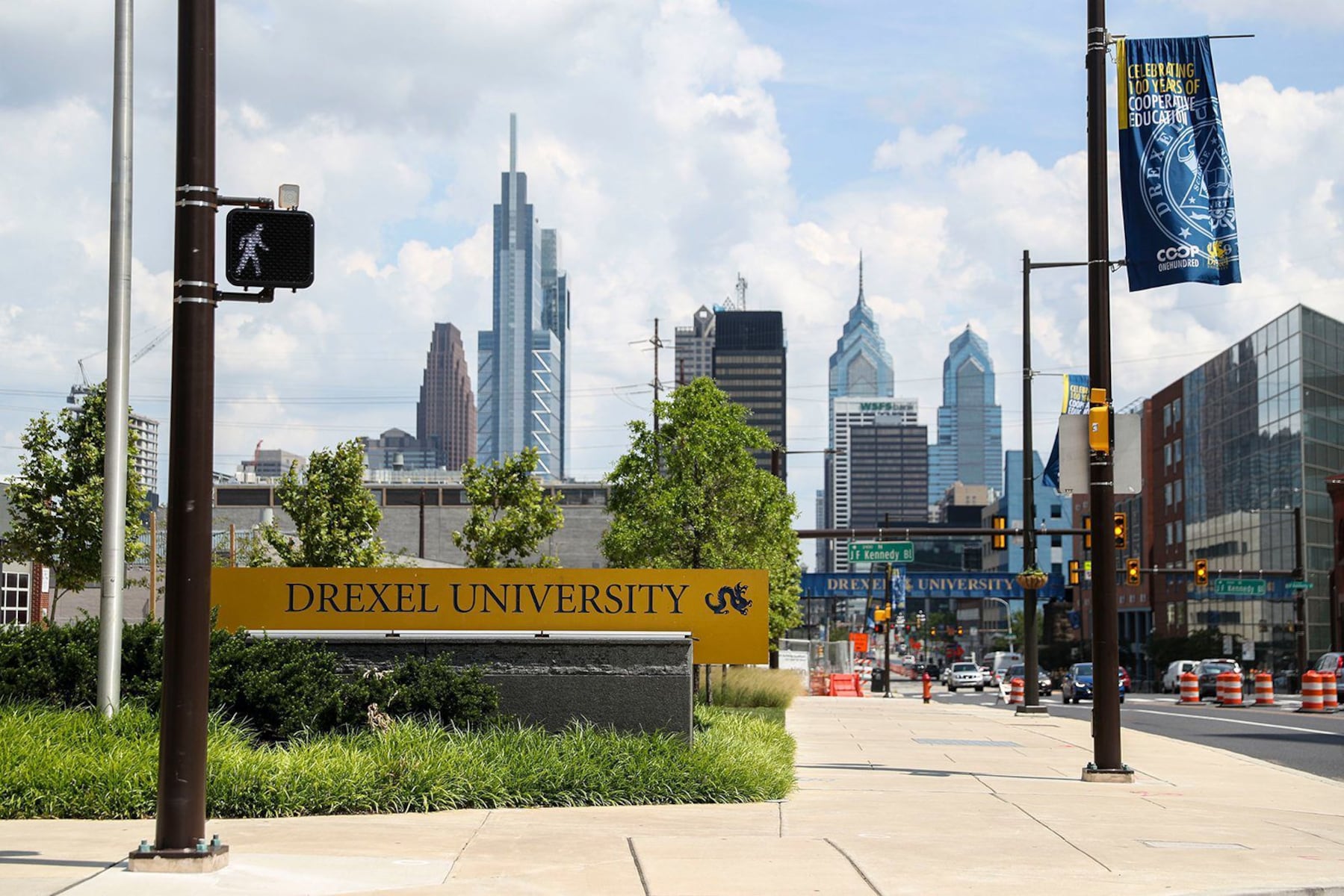
In a chilling incident that has sent shockwaves through the Lancaster community and beyond, a young man’s actions have left a trail of concern and questions. Jackson Roberts, a 22-year-old student at Drexel University, now faces serious charges after a shooting at a Philadelphia-area residence on Monday. The incident underscores the ongoing challenges schools and communities face in addressing violence among young adults and students alike.
According to police reports, Jackson Roberts allegedly opened fire inside a residence located in the suburbs of Philadelphia, resulting in injuries to another individual. Authorities charged Roberts with attempted murder, along with multiple other offenses, including aggravated assault, possessing an instrument of crime, simple assault, and recklessly endangering another person. The incident reportedly occurred during a dispute that escalated quickly, leading to the gunfire that has left many residents unsettled.
While details of the confrontation remain under investigation, law enforcement officials have emphasized the severity of the charges and the potential consequences Roberts faces. The victim’s condition has not been publicly disclosed, but the incident raises pressing concerns about gun violence and its ripple effects on families and communities. The case is now in the hands of the courts, but it highlights a troubling trend of violence involving young adults, many of whom are navigating the challenges of higher education and personal development.
The Lancaster community, known for its close-knit families and strong faith-based values, has responded with a mix of shock and sorrow. Local residents and community leaders have expressed concern over the incident, emphasizing the importance of addressing underlying issues such as mental health, conflict resolution, and access to support services for young people. Many parents are particularly worried about the safety of their children and the broader implications for local schools and universities.
Mary Ellen Johnson, a mother of three and active member of her church, shared her thoughts: “We need to come together as a community and support our youth. Violence is never the answer, and it’s heartbreaking to see young lives being torn apart by such actions. We must focus on building strong families and instilling values that promote peace and responsibility.”
Community organizations and faith groups are calling for increased outreach programs and educational initiatives aimed at preventing similar incidents in the future. The incident also prompts a broader conversation about how institutions can better support students in managing conflicts and making wise choices, especially in a society where access to firearms remains a contentious issue.As the legal proceedings against Roberts unfold, the Lancaster community remains vigilant and hopeful for justice and healing. The case serves as a stark reminder of the importance of fostering environments where young people can thrive without resorting to violence. Schools, universities, and community organizations are being urged to collaborate more closely to identify warning signs and intervene early.
Meanwhile, local authorities continue to work on initiatives aimed at reducing gun violence and promoting safe, supportive spaces for youth. The incident at Drexel University echoes similar tragedies across the nation, underscoring the need for comprehensive approaches that include mental health support, conflict resolution education, and community engagement. Lancaster’s families and faith leaders remain committed to advocating for a society rooted in strong marriages, stable families, and authentic faith—cornerstones that can help steer young people away from destructive paths.
Looking ahead, community leaders are optimistic that through sustained effort and a shared commitment to moral and spiritual values, Lancaster can be a place where tragedies like this are minimized. The community’s strength lies in its resilience and in the enduring hope that every young person has the potential for a bright future, built on the foundations of love, responsibility, and faith.
While this incident took place in the Philadelphia suburbs, its ripple effects are deeply felt in Lancaster County, a region known for its pastoral landscapes, Amish communities, and a diverse population of working-class families. Lancaster County, with its population of approximately 550,000 residents, has historically been a place of stability and tradition. However, like many parts of the country, it faces challenges related to youth mental health, substance abuse, and the influence of gun culture.
Many local organizations have long been working to address these issues. The Lancaster County Youth Intervention Program, for example, provides counseling, mentorship, and conflict resolution workshops aimed at reducing juvenile delinquency and promoting positive development among teenagers. These programs emphasize community involvement, faith-based initiatives, and collaboration with schools and law enforcement agencies.
Furthermore, Lancaster’s religious communities—ranging from Mennonite and Amish congregations to evangelical churches—play a significant role in shaping community responses to crises. Faith leaders often serve as mediators and advocates for peace, emphasizing forgiveness, reconciliation, and moral responsibility. Their influence can be a powerful force in preventing violence and nurturing resilient young people.
For institutions like Lancaster Mennonite School, Lampeter-Strasburg School District, and regional colleges, this incident underscores the urgent need to bolster mental health services, anti-violence programs, and conflict resolution education. Many schools in Lancaster have already implemented social-emotional learning curricula, but the recent events serve as a stark reminder that more needs to be done to address the root causes of violence among youth.
At Drexel University, where Roberts is enrolled, administrators are reviewing campus safety protocols and mental health resources. Drexel has a dedicated Office of Student Life and Counseling Center, which provides support for students facing personal crises. However, the incident raises questions about how effectively these services are reaching students who may be struggling with unseen issues or external pressures.
In response, Drexel University officials have reaffirmed their commitment to student safety and mental health, noting that they are cooperating fully with law enforcement investigations. They also plan to increase outreach efforts, including peer support groups and educational workshops on conflict management and responsible firearm use.
This incident is more than just a legal case; it is a reflection of broader societal issues that directly impact Lancaster’s families, schools, and faith communities. It challenges the community to confront uncomfortable truths about youth violence, mental health, and access to firearms. It also highlights the importance of community cohesion, moral guidance, and proactive intervention.
Many residents see this as a call to action—an opportunity to strengthen existing programs and develop new strategies for nurturing resilient, responsible young people. The community’s response will likely influence local policies on gun safety, youth outreach, and mental health services in the years to come.
As Jackson Roberts awaits trial, the Lancaster community remains hopeful that justice will be served and that healing can begin. Local leaders are calling for continued dialogue, increased funding for youth programs, and expanded mental health resources. The hope is that this tragedy will serve as a catalyst for positive change, fostering an environment where young people can find support and purpose instead of despair and violence.
Ultimately, Lancaster’s strength lies in its unity and its unwavering belief in the potential of its youth. Through faith, community engagement, and proactive policies, the region aims to prevent future tragedies and build a safer, more compassionate environment for all its residents.
By Kyle Harris

By Kyle Harris

By Kyle Harris

By Kyle Harris