
Real Estate
Central Pa. Dairy Queen closes after nearly 70 years
By Nina Brooks
Advertisement · Why this ad?
Nina is a graduate of Millersville University with a degree in Art History and has spent the last 6 years writing about the arts scene in Lancaster. Her previous experience includes writing for regional arts magazines and freelance projects.
More from Nina →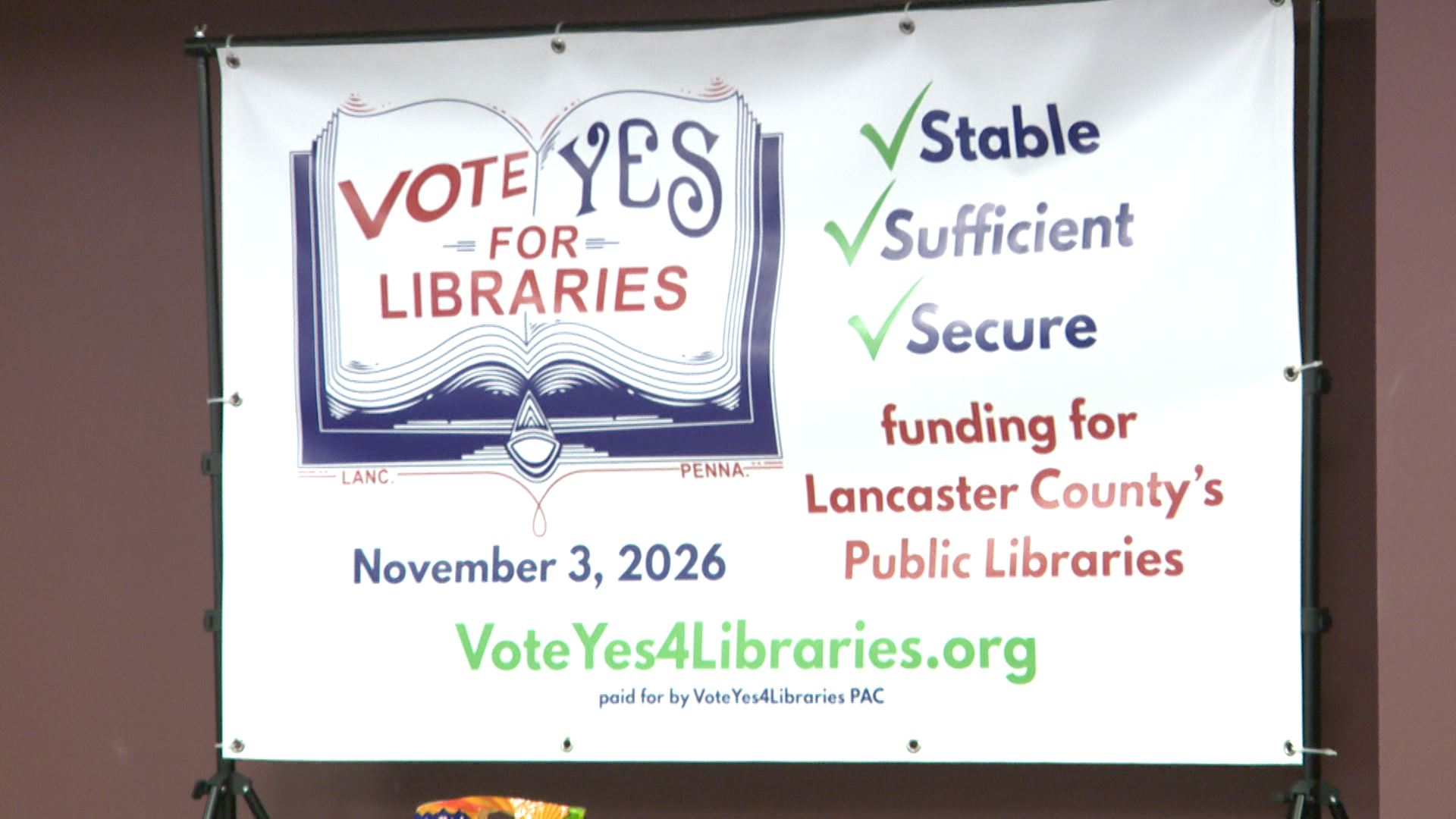
As the golden leaves of autumn swirl in the crisp Lancaster air, a pivotal moment approaches for the residents of Lancaster County. On November 3, voters will gather at polling places not just to cast their ballots, but to shape the future of their public libraries through a proposed dedicated property tax. This tax initiative, a response to the growing needs of local libraries, is more than just a financial proposal; it is a testament to the community's commitment to literacy, learning, and the preservation of knowledge.
The proposed property tax increase is set to be a significant topic on the ballot this November. Aimed at providing consistent funding for public libraries across Lancaster County, this initiative comes in the wake of increasing operational costs and the vital role libraries play in the community. The Lancaster County Library System, which encompasses over 20 libraries, has been vocal about the necessity of this funding, emphasizing that library services are essential to fostering a well-informed and educated populace.
According to estimates, the proposed tax would generate approximately $2 million annually, a figure that could dramatically enhance library services, including expanding collections, improving technology, and offering more community programs. The Lancaster County Board of Commissioners has expressed their support for this measure, recognizing that libraries are not merely repositories of books but are vibrant community hubs that provide resources for education, job training, and social connection.
The backdrop of this proposal is a landscape where libraries have increasingly become essential to community life. In recent years, Lancaster County libraries have seen a surge in demand for services, from digital resources to in-person programs. Yet, funding has not kept pace with this demand. Many libraries have faced budget shortfalls that limit their ability to serve the community effectively.
As the digital age continues to evolve, libraries are adapting to meet new challenges. They offer not only books but also access to technology, workshops, and spaces for community gatherings. The proposed property tax increase represents a proactive step towards ensuring that libraries can continue to evolve and thrive, providing invaluable services to all residents.
The community response to the proposed tax has been mixed, reflecting a spectrum of opinions on the value of investing in public libraries. Supporters argue that libraries are crucial to maintaining an informed citizenry and that the modest tax increase is a small price to pay for the immense benefits libraries provide. They cite success stories of individuals who have utilized library resources to improve their lives, from job seekers accessing resume workshops to families finding a safe space for learning and growth.
Opponents, however, raise concerns about the burden of increased taxes, particularly in a time of economic uncertainty. Many residents are wary of any tax increases, fearing they may exacerbate financial strains on families already grappling with rising costs of living. This tension between valuing public services and managing personal finances encapsulates the broader debate facing many communities today.
Among the supporters of the tax proposal, local educators and librarians have been particularly vocal. They argue that libraries are essential to fostering a love of reading and learning in children, which is foundational for their future success. “Investing in libraries is investing in the future of our children,” said Sarah Thompson, a librarian at the Lancaster Public Library. “We provide not just books, but a safe space for kids to explore their interests and develop their skills.”
Parents in the community have echoed this sentiment, highlighting the importance of libraries in their children's education. “My kids have grown up in the library,” shared local mother Emily Roberts. “It’s not just about borrowing books; it’s about the programs, the storytelling sessions, and the friendships they’ve formed. Losing that would be a huge loss for us.”
The economic implications of this tax proposal extend beyond the immediate funding for libraries. By investing in libraries, Lancaster County is also investing in its own economic future. Libraries provide job training programs, digital literacy courses, and resources for entrepreneurs looking to start their own businesses. The skills and knowledge acquired through library programs can lead to greater employability and economic stability for residents.
Moreover, libraries contribute to the local economy by attracting visitors who patronize nearby businesses. A thriving library can enhance the community's appeal, making it a more attractive place for families and individuals to settle. By supporting this tax initiative, voters are not just supporting libraries; they are supporting the overall health and prosperity of their community.
As November 3 approaches, the conversation around the proposed property tax for libraries is likely to intensify. Community forums and discussions are expected to take place, providing residents with opportunities to voice their opinions and learn more about the implications of the tax. Local leaders and library advocates are mobilizing to ensure that voters understand the significance of this initiative and its potential impact on the community.
In the weeks leading up to the election, public debates and informational sessions are being organized at various libraries and community centers across Lancaster County. These events aim to address concerns, clarify misconceptions, and showcase the benefits that enhanced library funding could bring. Residents are encouraged to attend these forums to engage in dialogue with library staff, community leaders, and fellow citizens.
Additionally, local businesses have begun to show their support for the libraries, recognizing the role they play in fostering an educated workforce and a vibrant local economy. Some businesses are even partnering with libraries to sponsor programs that promote literacy and learning, further illustrating the interconnectedness of community resources.
Regardless of the outcome, this proposal has sparked a vital conversation about the role of libraries in Lancaster County and the value placed on education and community resources. As voters prepare to head to the polls, they are not just deciding on a tax; they are determining the future of a cornerstone of their community.
While the focus is on Lancaster County, this proposal reflects a national trend where communities are grappling with the funding of public services, especially in the wake of the COVID-19 pandemic. Many libraries across the country have faced similar challenges, with budget cuts leading to service reductions and staff layoffs. The outcome of Lancaster County's vote could serve as a bellwether for other communities considering similar measures.
Moreover, the decision could influence how local governments prioritize funding for educational resources in the future. If the tax passes, it may inspire other counties to explore dedicated funding sources for their libraries, potentially leading to a renaissance of public library services across the region.
As Lancaster County stands on the brink of this decision, the future of its libraries—and by extension, the community's commitment to education and access to information—hangs in the balance. The outcome will not only shape the libraries' immediate future but also set a precedent for how communities value and invest in their public resources.
By Nina Brooks

By Nina Brooks
By David Robinson
By David Robinson