Health
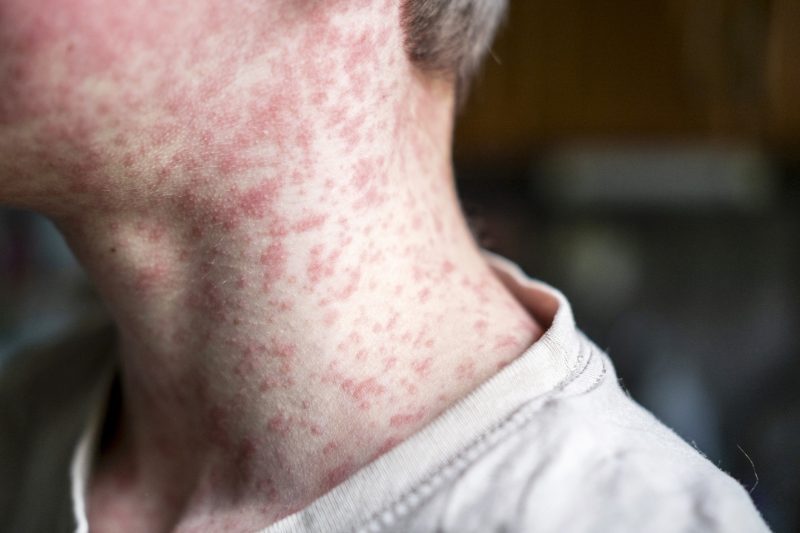
Pennsylvania reaches 1,487 reported measles cases in Friday update
By Sarah Patel
Advertisement · Why this ad?
Maya has over 15 years of experience covering local government and policy issues in Pennsylvania. She is a graduate of Temple University with a degree in Journalism. Before joining Lancaster Current, Maya worked at the Harrisburg Patriot-News, where she broke several major stories on state legislation.
More from Maya →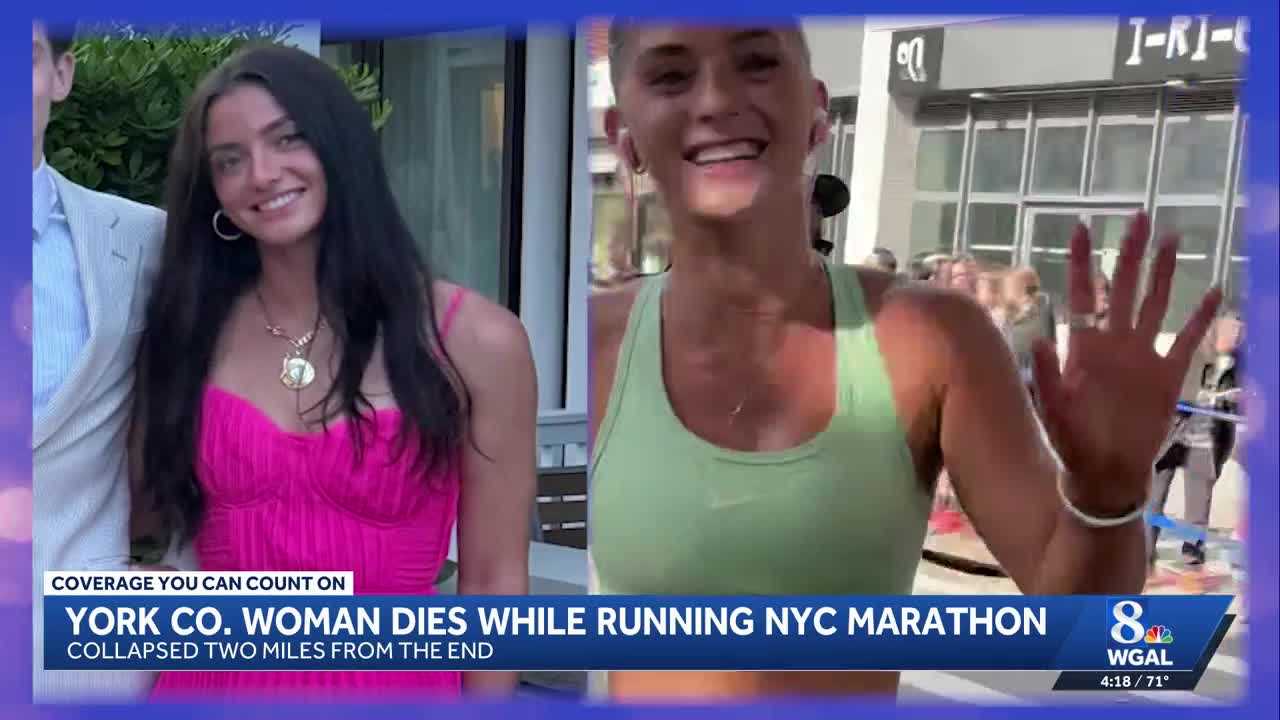
Explaining rhabdomyolysis, the medical condition that killed a 24-year-old after the NYC marathon WGAL pennsylvania woman dies after collapsing near new york city marathon finish line SOURCE: WGAL Advertisement Updated: 7:04 PM EST Nov 6, 2026 Editorial Standards ⓘ Sarah Metts Reporter Explaining rhabdomyolysis, the medical condition that killed a 24-year-old after the NYC marathon Updated: 7:04 PM EST Nov 6, 2026 Editorial Standards ⓘ Sarah Metts Reporter NEW YORK — Just two miles short of the finish line, a 24-year-old woman from the Susquehanna Valley suddenly collapsed at the New York City marathon. Rachel Apa's family tells WGAL she was rushed to the hospital where she later died. Advertisement Apa's father says that was her first marathon, but she was a very active person. She graduated from Bucknell University, where she played Division I field hockey. Doctors told the Apas she had rhabdomyolysis. What is rhabdomyolysis? Rhabdomyolysis (rhabdo) is the breakdown of muscle tissue that leads to the release of muscle fiber contents into the blood, according to the National Library of Medicine. It says a protein called myoglobin, is released into the bloodstream, and it gets filtered out by the kidneys, but it can damage kidney cells. Dr. Emily Hildebrand, Clinical Associate Professor at Towson University, says exertional rhabdo is uncommon, but once it occurs, the loss of skeletal muscle membrane is now in circulation, leading to renal failure, cardiac issues, etc., but acute renal failure is most common. She says marathon runners may already have elevated creatine kinase (CK) levels, and if there are other symptoms going on, rhabdo may occur. Who is at risk? While all risk factors are not known, working in hot environments with a physically demanding job can increase workers' chances of getting rhabdo. The Cleveland Clinic says approximately 26,000 people in the United States develop rhabdo each year. Based on a population of about 343 million people, that's roughly one in every 13,000 people per year. That's a broad population average, not your personal odds of having rhabdo. The Centers for Disease Control and Prevention says firefighting is one of the most at-risk occupational groups. The CDC says military service members also have an increased risk. Other factors like infections, uncontrolled diabetes, muscular dystrophy, sickle cell disease, and illegal drug use (cocaine and methamphetamines) can increase your chances of developing rhabdo. Dr. Mohamed Somad, a WellSpan nephrologist, said that while regular exercise can sometimes lead to minor muscle injuries, "it's extremely rare" to see the level of damage that causes organ failure, kidney failure, or death. Apa's case was among the most severe. For some people, symptoms might not even start to appear until several days after an initial injury. One man's experience with rhabdo Canice Okereke from Philadelphia says in 2021, he was diagnosed with rhabdo. He had just left the gym when he started to feel weak. "It just felt like everything was turning blue and orange or something," Okereke said. "I was thinking this wasn't fatigue, because normally, when you're tired, you go home and rest. But it was just so different because my vision was being affected." He initially thought he was just dehydrated. Okereke said he went to get some water when he started to feel like he was going to faint. "I'm like, oh my God, like I'm having weird convulsions," Okereke said. "Like everything feels like it's just literally failing." He went to the emergency room, where doctors told him about rhabdomyolysis. "She was like, 'you're damaging your kidneys, and I was like, what?" Doctors told Okereke his rhabdo was caused by severe dehydration and overexertion. "At the time, I was definitely not recovering properly at all, like I was working out every single day, which was bad for my body because I feel like my body probably finally gave out at that point," said Okereke. His rhabdo recovery took months. Okereke said he stopped working out, stopped drinking, and cut down his caffeine intake. And since then, he has made long-term changes to the way he pushes his body and recovers from workouts. But it is not something that sets him back. "It's a terrible thing, but you got to just watch out and just take care of yourself," said Okereke. Doctors say symptoms can vary, but typically, dark-colored urine, general weakness, muscle stiffness, fatigue, and seizures are signs of rhabdo. Make WGAL a preferred source on Google Add Preferred Source Share Infinite Scroll Enabled Top Picks Watch: Giant pandas make much-anticipated debut at Zoo Atlanta 19-year-old to become one of Massachusetts' youngest representatives in state history Dramatic video: Mother rescues man drowning 'We brought him home': A WWII soldier killed 82 years ago has finally been laid to rest
By Sarah Patel
By Mark Williams

By Angela Lopez

By David Robinson